Pixel Tarot Blog
What Is Tarot
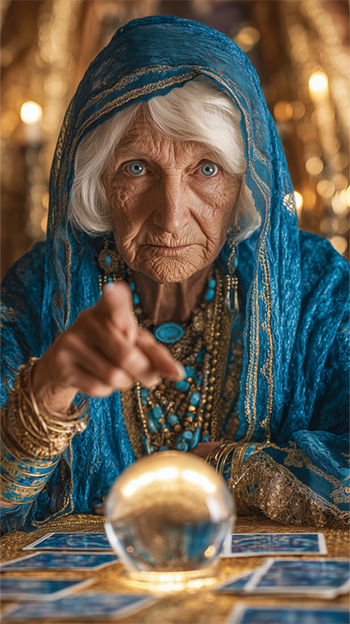 When most people hear the word "Tarot," the tend to visualize gypsy fortune tellers, crystal balls, and candle-lit, incense-filled rooms. The media through movies and TV have often portrayed Tarot as some evil magic that is used to tell you how you are going to die (and often in some terrible, horrible way). And while yes, Tarot is sometimes used by some practicioners for predicting the future, it's really better suited as a tool to help you think about your life, your choices, and patterns you don't always notice from day to day.
But What IS Tarot?
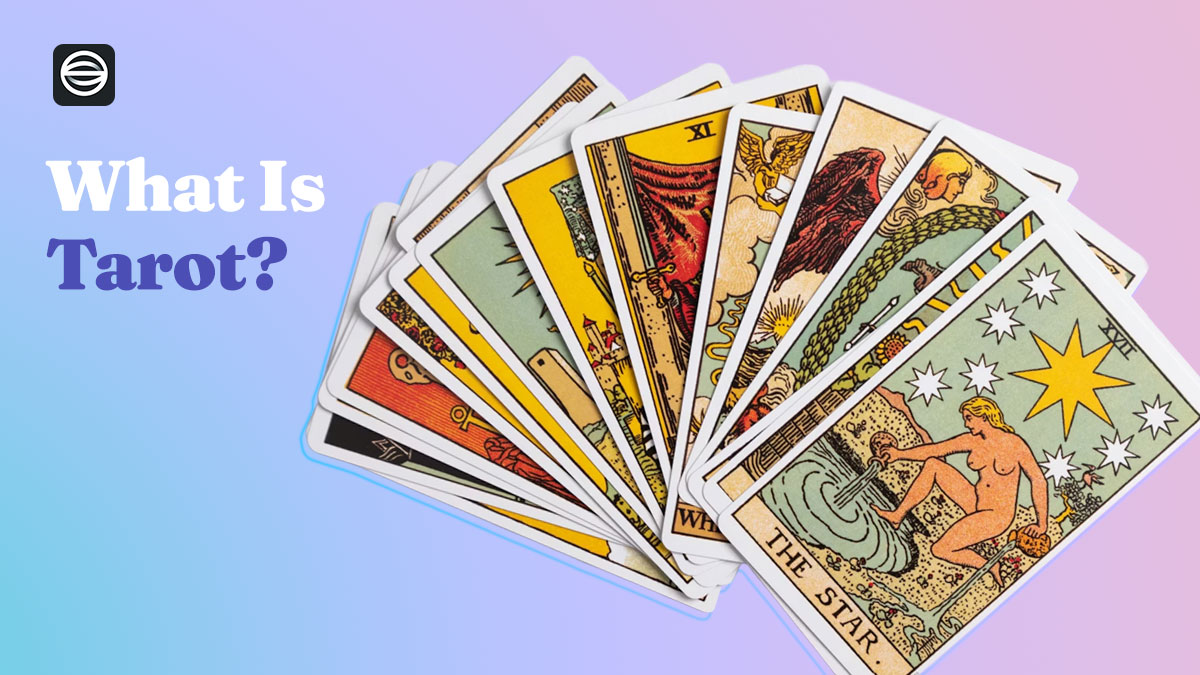
Tarot is, at its most basic, a deck of 78 illustrated cards. Each card represents a situation, a mindset, or a type of challenge, using carefully chosen symbols and colors to communicate meaning. When used together, the cards help you think through a specific question or situation and see things from a new perspective.
The Tarot deck is broken into two main groups called the Major Arcana and Minor Arcana.
The Major Arcana are the big cards and represents the first 22 cards of the deck. They represent major themes, turning points, or lessons in life. When one of these cards appears, it often points to something important, like a big decision, a change in direction, or a moment that sticks with you longer than an ordinary day. These themes are sometimes called archetypes, meaning they reflect experiences that almost everyone goes through at some point, no matter their age, background, or culture. You can think of the Major Arcana as the main story moments.
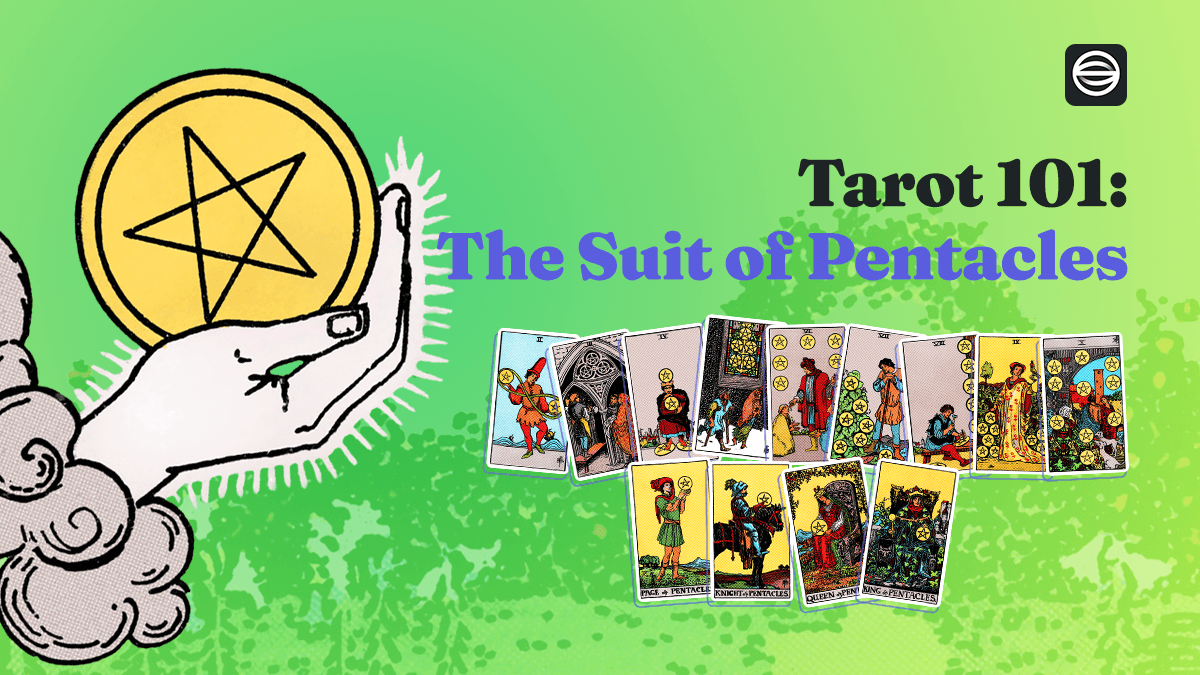
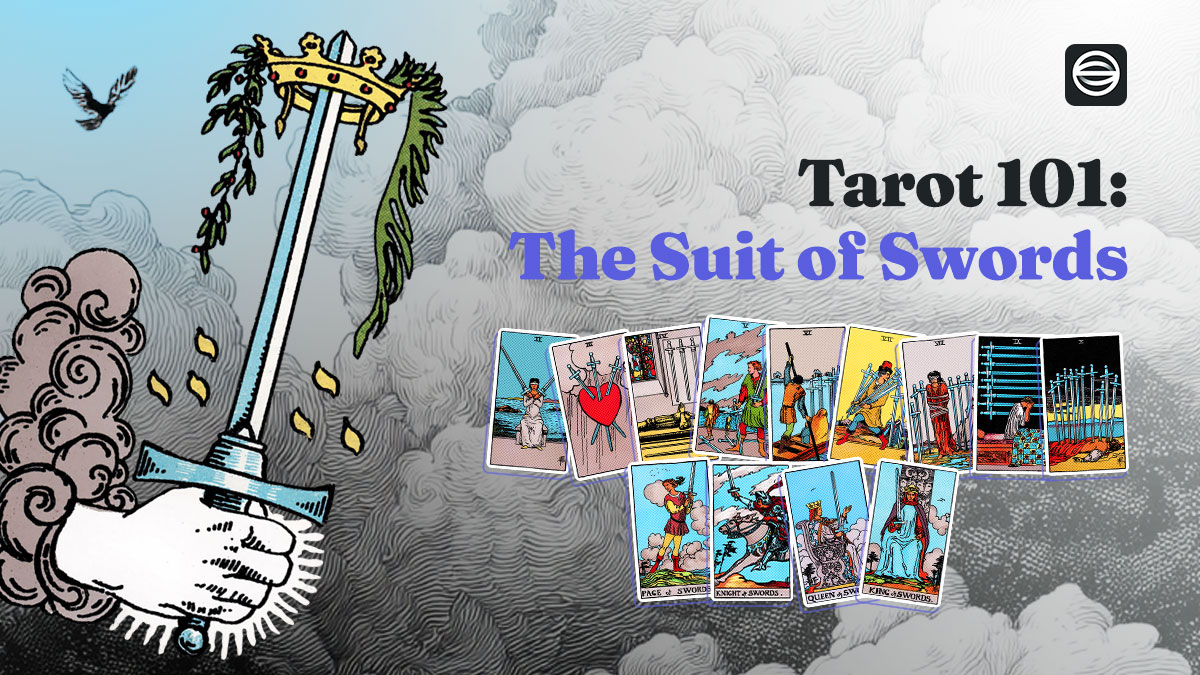
The Minor Arcana make up the other 56 cards, and are viewed as everyday events. They focus on smaller situations, emotions, actions, and challenges that show up in normal life, like school or work, friendships, stress, goals, or how you react to things. These cards are about habits, choices, and patterns that repeat over time. They are represented by four suits: Wands, Cups, Swords, and Pentacles (or Coins). Each suit has cards that run Ace through 10, and then four court cards: Page (or Princess), Knight, Queen, and King.
When used together in a reading, the cards start to tell a story. They aren’t there to give you direct answers, but to help you reflect on your situation by asking questions. You look at a card and consider what it reminds you of, where it shows up in your life, and what choices you still have control over.
For example, people often ask questions like, “Will my boyfriend come back to me?” Tarot won’t give a yes or no, but it can help you understand your feelings, expectations, and options so you can come to terms with the situation and decide what matters most to you. It's like discussing a complex situation with a completely unbiased friend.
The History of Tarot
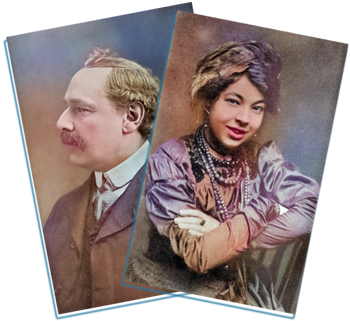 The history of Tarot is long enough to fill entire books (and there are quite a few great books that go through the history in detail). In short, Tarot began as a card game called Tarocchi in Europe around 700 years ago, using hand-illustrated cards that featured a cast of characters and told a loose story. Over time, the game expanded to include four suits, similar to modern playing cards, and was used for casual games, gambling, and eventually fortune telling.
In the early 1900s, Arthur Waite and Pamela Colman Smith helped standardize the images on the cards so people could talk about Tarot using a shared visual language. The deck they created is known as the Rider-Waite-Smith deck and is often considered the gold standard for Tarot illustrations. Most modern Tarot decks today are based on this system, even when their artwork looks very different.
Tarot + Psychology
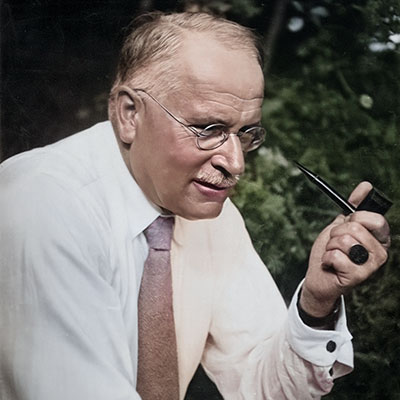 In the early 1930s, Carl Jung, a Swiss psychologist, became interested in Tarot, not as fortune telling, but as a way to understand how the human mind works. Jung’s theories and ideas focused on the concept that people tend to think in symbols and stories, and that certain images appear across cultures because they reflect shared human experiences (again, what we call archetypes). Tarot cards use these same kinds of symbols, which is why people often see parts of their own life in a card even when it wasn’t chosen on purpose.
Today, Tarot is sometimes used with journaling, meditation, or reflection exercises to help people think more clearly about their thoughts, feelings, and choices. The goal, for many, isn’t to predict the future, but to better understand themselves. Some therapists even include Tarot as part of clinical processes.
How Does Tarot Work?
Tarot starts with a question. Sometimes it’s a simple and clear, like “What should I focus on today?” and sometimes it’s more complex and inward, like “Why do I close up when when I'm yelled at?” Tarot works best with open-ended questions rather than ones that can be answered with a simple yes or no. The cards are shuffled and then laid out in a pattern called a spread, where each position gives the card a role, such as past, present, challenge, or advice. The spread doesn’t change the meaning of the card, but it helps you look at that meaning from a specific angle.
There’s no single right way to read Tarot. Intuition plays a big role, which really just means paying attention to what stands out to you. A card might remind you of something that happened earlier in the day, a feeling you’ve been avoiding, or a choice you’re unsure about. Two people can look at the same card and come away with different interpretations, and that’s okay. Tarot isn’t about getting the “correct” answer. It’s about noticing patterns, asking better questions, and using the cards as a tool to reflect on what’s already happening in your life.
So Why Use Tarot?
As I mentioned before, Tarot isn't necessarily used for predicting the future or learning what fate has in store for you. It's about slowing down long enough to think about what's going on. The cards give you a setup that encourages you look at things from different prespectives when your thoughts feel messy or overwhelming, and they help turn vague feelings into questions you can actually do something with.
This way, Tarot really becomes a tool for self-reflection. It will help you notice patterns, understand your reactions, and think more clearly about all the many things in your life that require your attention. You don't need to believe anything special. You don't need "spirit guides." You don't need to worry about following rules or reading the cards "the right way." Just need curiosity and a willingness to be honest with yourself.
At the end of it all, Tarot doesn't tell you who you are or even what to do next. It helps you ask better questions so you can figure that out for yourself.