Resources
Tarot resources, sorted for you
A lean list of books, decks, and watch/listen picks we reach for the most. Everything here plays nicely with journaling, spreads, and daily draws.
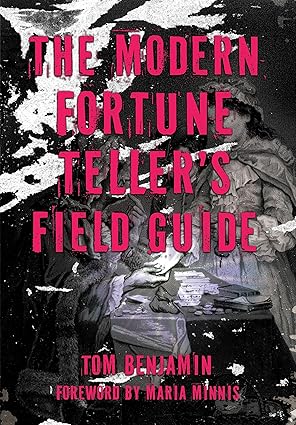
The Modern Fortune-Teller’s Field Guide
from amazon.com
Historically, fortune-tellers have always stood on the margins of society and been villainized by the Christo-colonial powers that view divination as competition. The Modern Fortune-Teller’s Field Guide takes a contemporary and engaged approach to divination, with a strong focus on social responsibility. Because fortune-tellers can see the world as it is, they serve as a threat to structures that benefit from secrecy.
The Modern Fortune-Teller’s Field Guide is an essential guide to anyone seeking theory and history alongside divinatory knowledge. Though anyone today can pick up a pack of tarot cards or begin casting bones, fortune-tellers have a responsibility in taking up that work to not only consider the forebears who suffered for that art but also to understand the systems of oppression that impact our clients. We must understand that spiritually bypassing a client’s reality is not only ineffective but also cruel.
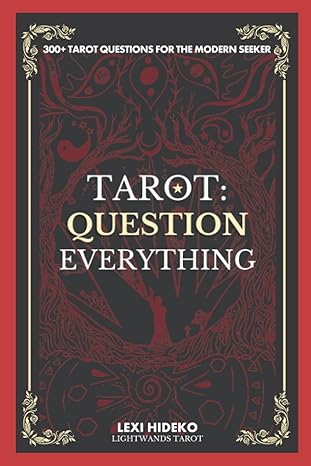
Tarot: Question Everything
from amazon.com
There are no wrong questions, only infinite answers. Tarot is a practice built on inquiry, and the quality of the insight it offers begins with how a question is asked. In Tarot: Question Everything, Lexi Hideko tackles one of the most underestimated and intimidating parts of tarot practice: learning to ask meaningful, effective questions. Designed as a practical and inspiring companion for both beginners and seasoned readers, this reference guide offers over 300 thoughtfully crafted tarot questions, more than 20 versatile spreads, reflective journaling exercises, and a clear walkthrough for developing your own powerful questions, helping readers deepen their practice and unlock more nuanced, intentional readings.
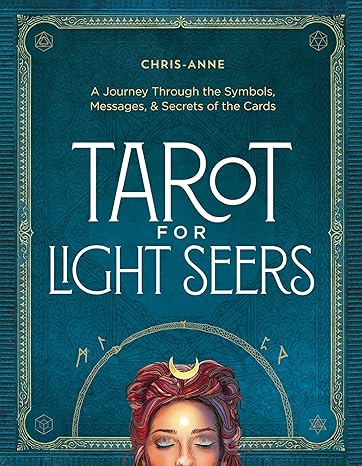
Tarot for Light Seers
from amazon.com
Tarot for Light Seers presents tarot as a tool for self-awareness, healing, and empowered choice through a modern, intuitive lens. The guidebook blends traditional Rider Waite Smith meanings with contemporary emotional insight, focusing on personal growth rather than prediction. Each card highlights both light and shadow expressions, encouraging honest reflection without fear or judgment. The overall tone is uplifting, psychologically grounded, and accessible for daily pulls and journaling. This workbook references the Tarot for Light Seers deck, which, while using modern illustrations, sticks to the main themes and symbols used in the Rider-Waite-Smith deck.
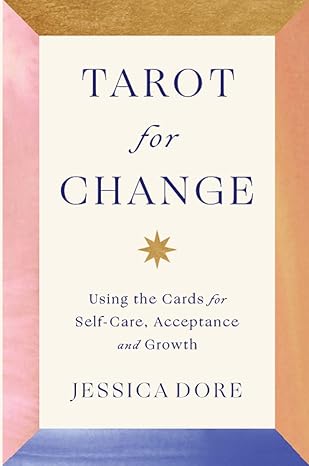
Tarot for Change
from amazon.com
In Tarot for Change, Jessica Dore divulges years of hard-won secrets about how to work with tarot to better understand ourselves and live in alignment with what's precious. Dore shows readers how to choose a deck, interpret images, and build a relationship with the cards, while also demonstrating how the mythic imagery of tarot supports evidence-based therapeutic concepts like mindfulness, acceptance, and compassion. Her reflections on each of the seventy-eight cards are a vibrant tapestry that weaves together ideas from the fields of psychology, behavioral science, spirituality, and old stories, breathing new language into ancient wisdoms about what it means to be human.
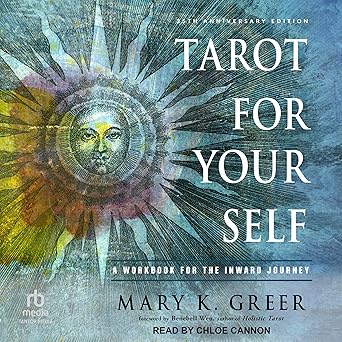
Tarot for Yourself
from amazon.com
This tarot classic by Mary K. Greer was the first book to promote reading the cards for your own insight, revolutionizing tarot through a combined emphasis on self-teaching techniques and personal growth. Tarot for Your Self uses meditations, rituals, spreads, mandalas, visualizations, dialogues, charts, affirmations, and other activities to help you establish your own relationship with the cards.
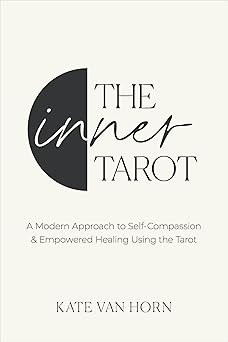
Inner Tarot
from amazon.com
Tarot for Change by Kate Van Horn reframes tarot as a tool for emotional insight and personal growth rather than prediction. Drawing on psychology, social work, and mindfulness, the book connects tarot archetypes to common emotional patterns, coping strategies, and inner narratives. Each card is explored as an invitation to self-reflection, helping readers understand their feelings with more compassion and clarity. The overall tone is grounded, therapeutic, and empowering, making tarot accessible as a mental health adjacent practice.